Settings App
- 3.2
- Rating
- 500.00K
- Installs
- Free
- Price

 Analysis by App-foxy
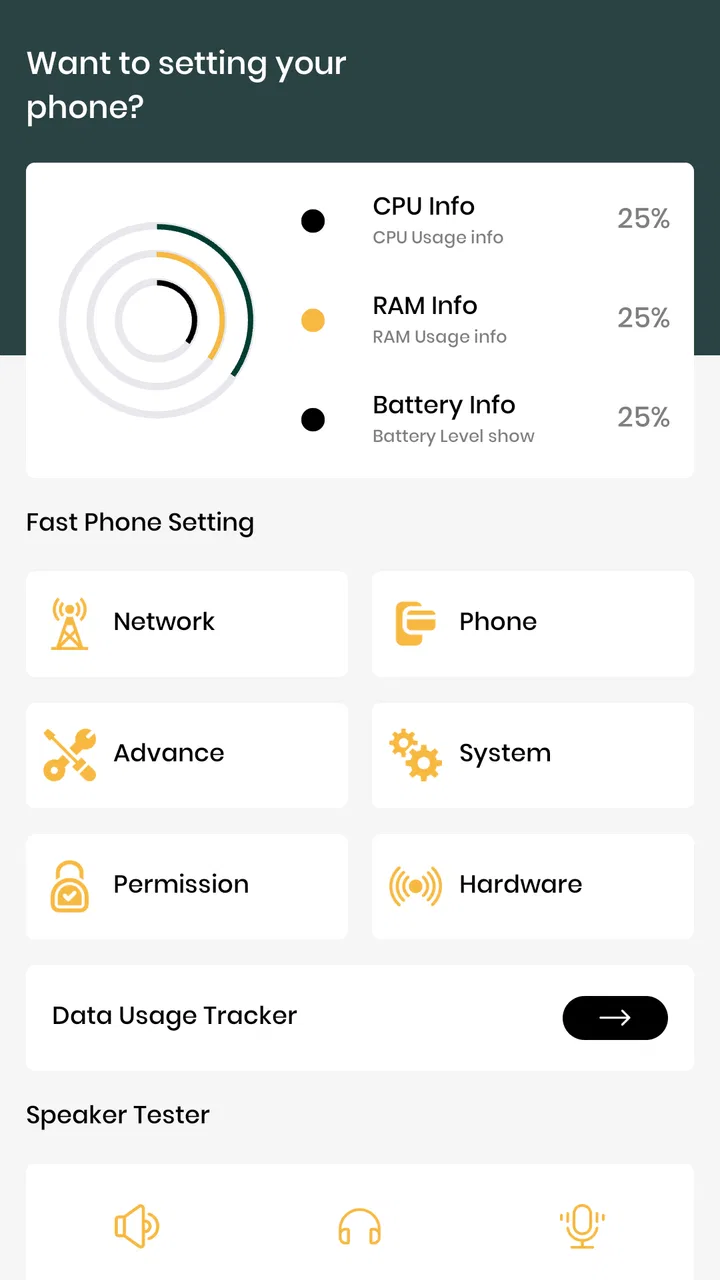
I installed Settings App expecting a small convenience tool, and that is exactly where it makes the most sense. Developed by BourtinaUp, this free personalization app is built around faster access to Android settings rather than replacing the system settings application. My overall view is simple: it can be useful when you regularly jump between device controls, but it is not a complete customization suite and it will not transform the way Android works.
The app’s appeal comes from reducing the hesitation between deciding to change something and finding the right system screen. Its store summary focuses on quick access to settings, and in everyday use that narrow purpose is also its clearest strength. I would recommend it to someone who wants a more direct route into familiar controls, especially on a phone where the manufacturer’s menus feel crowded or inconsistent. I would not recommend installing it merely because it sounds like a replacement for every personalization tool.
What Settings App actually adds to an Android routine
The first thing to understand is that this is an access layer, not a new operating system interface. The important work still happens in Android’s own settings pages. Settings App is valuable when it helps you reach those pages with less searching. That distinction matters because it keeps expectations realistic: the app’s usefulness depends on how often you adjust system options, not on how many visual changes you want to make.
You May Also Like

 Blood Strike: 2.5 Anniversary
Blood Strike’s Loadouts Turn Every Drop Into a Tactical Gamble
A close look at Blood Strike’s custom loadouts: how fast access to signature weapons reshapes its battle royale rhythm, rewards preparation, and narrows the gap between fights.

 Pandora - Music & Podcasts
Pandora’s Music Is Easy to Start, but Harder to Recover
Pandora’s strength is its low-effort path from a seed to a station. Its weak spot is how much confidence it asks you to place in connection, setup, and quiet recovery.

 8 Ball Pool
 Is Built on Rivalries, Rematches, and Routine
A close look at the rivalries, rematches, shared routines, and unanswered safety questions that turn a quick pool match into a persistent mobile community.

 Samsung Music
’s Quiet Strength Is Playing What You Already Own
Its reach comes less from spectacle than from dependable access to a personal library. That simplicity is both the app’s strongest retention engine and its ceiling.

 AccuWeather: Weather Radar
AccuWeather Review: A Quick, Clear Forecast for Everyday Decisions
For everyday plans, the best forecast is the one you can understand quickly. AccuWeather makes rain timing, radar, and local conditions easy to act on, with a few trade-offs.

 Hill Climb Racing
Why Hill Climb Racing Still Turns Crashes Into One More Run
A tiny car, a bumpy hill and one more upgrade: Hill Climb Racing keeps resurfacing because its simple chaos makes every near-miss feel personal.
More From Our News Desk



I found the concept most helpful during short, repeated tasks. Imagine that I am moving from a noisy place to a quiet one and need to change sound behavior, check display options, or look at connectivity controls. Opening the usual settings route may only take a few seconds, but repeating that route throughout a day creates unnecessary friction. A direct settings shortcut can make those small interruptions feel less annoying.
It also works well for people who help family members with their phones. Instead of explaining a long path through menus, I can point the person toward a more direct entry point and then describe the final setting to change. That does not eliminate Android’s differences between brands, but it can make the first step easier for someone who is uncomfortable exploring the full settings menu.
The key advantage is not extra power; it is reduced navigation. That sounds modest, and it is, but modest utility can be worthwhile when it solves a problem you encounter often. If you only open system settings once every few weeks, the benefit will be much smaller.
Where the app feels most practical
One useful workflow is to keep Settings App for temporary adjustments rather than permanent configuration. I might use it when troubleshooting a connection, checking a display behavior, or moving between device controls while testing another app. In that situation, the app acts like a launchpad: it gets me closer to the relevant Android screen, while the system remains responsible for the actual change.
Another practical use is during device setup. New phones often place familiar controls in slightly different locations, particularly when manufacturers add their own interface layers. A dedicated settings shortcut can give a new user a consistent starting point while they learn the phone. It is not a substitute for learning the device, but it can reduce the initial feeling that basic options are hidden.
I also see value for users who switch between several Android devices. The exact appearance of system menus can vary, yet a separate access tool may feel more familiar than repeatedly searching through each manufacturer’s layout. The advantage is greatest for people who care about quick access but do not want a heavily customized launcher or a collection of complicated automation tools.
There is a small but important trade-off here. A shortcut app can make a setting easier to reach, but it cannot guarantee that every destination behaves identically on every phone. Android versions, manufacturer software, and device restrictions still influence what appears after a setting opens. I would therefore judge Settings App by how much time it saves on my particular phone, not by assuming that every Android device will offer the same experience.
How it compares with ordinary Android settings
The default Android settings application remains the baseline alternative, and for many people it is enough. It is already installed, deeply integrated with the phone, and usually offers the broadest view of available controls. If I want to understand how related options fit together, the full settings app is often better because it preserves the surrounding categories and explanations.
Settings App is more appealing when I already know what I want and do not need to browse. In that situation, a focused route is more convenient than opening a large menu and scanning through several headings. The choice is similar to using a shortcut instead of walking through a building: the shortcut is faster for a known destination, while the main entrance gives me a better overview.
It is also different from launcher customization applications. A launcher changes how the home screen, app drawer, icons, or gestures feel. Settings App is not competing with those tools on visual design. If my goal is a new home-screen style, icon arrangement, or broader interface makeover, I would choose a launcher or a dedicated personalization app instead. This app makes more sense for functional access than decorative change.
Automation tools can be a better option for advanced users who want settings to change automatically under specific conditions. For example, someone who wants a routine based on time, location, or device state may find a dedicated automation solution more capable. Settings App is the simpler choice when I want to open a control myself rather than build a rule around it.
The limitation that affects the recommendation
The narrow scope is both the app’s identity and its main weakness. Quick access is helpful only when the destinations it exposes match the controls I actually use. If I am looking for extensive personalization, visual themes, automated routines, or a redesigned settings experience, I will reach the limits of this app quickly.
There is also a practical dependency on the phone itself. A shortcut may lead me to a system page, but the available options can differ by Android version and manufacturer. A setting that is prominent on one device may be renamed, moved, or unavailable on another. That is not necessarily a flaw in BourtinaUp’s concept, but it means I would test the app with my most important daily task before relying on it.
Another point is discoverability. A tool designed around quick access needs to be easy to remember and easy to reach. If I install it but leave it buried among dozens of apps, it may not save much time. The best results come when I place its entry point somewhere convenient and use it for a defined group of recurring actions. Without that habit, the default settings search may remain just as practical.
I would also avoid treating the app as a universal fix for confusing Android menus. It can shorten the route to a setting, but it does not explain every option or make potentially risky changes safer. I still need to read the system labels carefully before changing connectivity, display, sound, or other device behavior. The app improves access; it does not replace judgment.
Who should install it
I think Settings App is a good fit for people who adjust their phone frequently and prefer direct routes over menu browsing. It may suit users who regularly move between common system controls, people learning a new Android device, and anyone helping less confident users find settings without describing a long sequence of taps.
It is also a reasonable lightweight choice for someone who wants a free utility with an Everyone content rating and modest system compatibility. The app was released on June 13, 2025, and its current version is 4.0. It supports Android 5.0 and later, which gives it a broad potential audience, although the real experience can still depend on the phone’s own software.
Its adoption suggests that the idea has reached a substantial audience: the app has passed half a million installs. At the same time, its average rating is 3.6 from roughly three thousand ratings, with more than a hundred written reviews. I read that combination as a reason to keep expectations measured. Plenty of users may find the shortcut concept useful, but it is not the kind of app I would install assuming it will satisfy everyone.
The app is free, which makes trying it relatively easy. I would still use a practical test rather than keeping it automatically: choose two or three settings I open often, see whether the app gets me there more conveniently, and remove it if the route feels no better than Android’s built-in search. That trial is especially sensible because the app’s value is highly personal and depends on phone layout and habits.
I would skip it if I rarely change system options, if I already have a comfortable settings shortcut built into my launcher, or if my main interest is visual personalization. I would also look elsewhere if I need automation, detailed device management, or a full replacement for the standard settings experience. In those cases, the app’s focused design is likely to feel too limited rather than pleasantly simple.
Small habits that make it more useful
My first tip is to define a purpose before installing it. “Faster settings” is broad, but “I want quicker access while troubleshooting connections” is specific. That distinction helps me notice whether the app is genuinely saving time. It also prevents the common mistake of judging a narrow utility against a much larger personalization tool.
My second tip is to use it as a companion to Android’s settings search, not as a total replacement. When I know the general destination, Settings App may provide the faster route. When I do not know which category contains an option, the system’s search and explanatory structure may be more useful. Switching between the two approaches is more efficient than insisting on one method for every task.
A third tip is to be cautious when a shortcut opens a control with broad consequences. Before changing a device-wide option, I check the wording and note the original state so I can reverse the change if needed. This is particularly useful when assisting another person, because the fastest route is not helpful if nobody remembers what was changed afterward.
Finally, I would reassess the app after a week of normal use. If it becomes part of my routine, it has earned its place. If I keep opening the standard settings app out of habit, that tells me the extra layer is not solving a real problem. A utility like this should justify itself through repeated convenience, not through the fact that it is free or easy to install.
My final recommendation
Settings App is a focused convenience tool, not a full personalization platform. In my experience, that makes it appealing for a particular kind of Android user: someone who knows which system controls they need and wants a shorter way to reach them. Its free availability, broad Android support, and straightforward purpose make it easy to try, while the 4.0 release shows that it is an actively presented version rather than an abandoned concept.
My recommendation is positive but selective. Install it if repeated trips through Android’s settings menus genuinely irritate you, especially during device setup, troubleshooting, or everyday changes between environments. Keep the built-in settings app as your reference point, and do not expect this tool to provide launcher-level design, automation, or deeper control.
For the right user, the benefit is pleasantly practical: fewer menu detours for familiar tasks. For everyone else, the default Android settings application may already do the job without another app to remember. I would give Settings App a fair trial, judge it by the time it saves on my own device, and keep it only if that small improvement becomes part of my daily routine.
FAQs for Settings App
01What features does the Settings app provide?
The Settings app offers a comprehensive suite of options to customize your device. It includes settings for Wi-Fi, Bluetooth, mobile data, display, notifications, and sound. Additionally, users can manage privacy settings, security options, and app permissions, ensuring a personalized and secure user experience.
02How can I manage app permissions using the Settings app?
Within the Settings app, navigate to the 'Apps' section. Here, you can view each app individually and adjust permissions such as location, camera, and microphone access. This allows for granular control over what information and features each app can access, enhancing both privacy and security.
03Is it possible to reset my device using the Settings app?
Yes, the Settings app provides an option to reset your device. Under 'System' or 'General Management,' you will find 'Reset' options. You can choose to reset settings, network configurations, or perform a factory reset, which erases all data and restores the device to its original state.
04How do I customize notifications through the Settings app?
To customize notifications, go to the 'Notifications' section in the Settings app. Here, you can adjust how notifications appear, choose which apps can send notifications, and set priority levels. This helps in managing alerts more effectively, ensuring you only receive important notifications.
05Can I change language and input settings using the Settings app?
Yes, the Settings app allows you to change language and input settings. Under the 'Language & Input' section, you can select your preferred language, adjust keyboard settings, and manage input methods. This ensures the device is set up to match your linguistic preferences and typing style.
Pros
- Intuitive interface for easy navigation.
- Customizable settings for personalization.
- Quick access to frequently used options.
- Search feature to find settings swiftly.
- System updates are seamless and efficient.
Cons
- Can be overwhelming with too many options.
- Some settings are buried deep in menus.
- Occasional lag on older devices.
- Limited help for complex features.
- No dark mode option available.

Settings App
Gallery